
Portable cabins have emerged as a practical and forward thinking solution in the modern construction landscape. As industries and communities seek faster, more flexible, and environmentally conscious building options, these structures continue to gain widespread acceptance. Unlike traditional buildings that often demand lengthy construction timelines and substantial investment, portable cabins provide a streamlined approach that adapts easily to changing needs.
Designed for efficiency and versatility, portable cabins are prefabricated structures that can be transported and installed with minimal disruption. They are used across numerous sectors, from commercial and industrial environments to educational and residential applications. Their ability to combine functionality with mobility makes them a compelling alternative to conventional buildings.
Understanding What Portable Cabins Are
Definition and Core Features
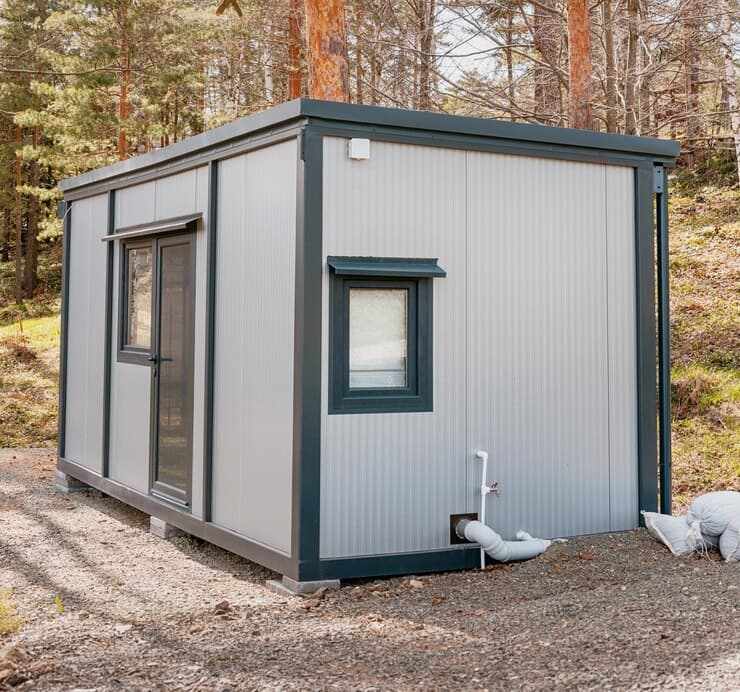
Portable cabins are factory manufactured units created for temporary or permanent use. They are constructed off site under controlled conditions, ensuring consistent quality and precise engineering. Once completed, the cabins are transported to the desired location and installed quickly.
Key characteristics include modular design, ease of relocation, and adaptability to various purposes. Portable cabins can be customized with insulation, electrical fittings, plumbing systems, and interior finishes to meet specific requirements. This adaptability allows them to perform comparably to traditional buildings while offering greater flexibility.
How Portable Cabins Differ from Conventional Buildings
Traditional buildings typically require extensive groundwork, on site construction, and long completion periods. In contrast, portable cabins minimize on site activity since most of the construction occurs in a factory setting. This difference results in reduced labor costs, fewer delays caused by weather, and a faster path to occupancy.
Another distinction lies in mobility. Conventional buildings are fixed structures, whereas portable cabins can be relocated or reconfigured as needs evolve. This feature is particularly valuable for businesses and organizations operating in dynamic environments.
Benefits of Choosing Portable Cabins
Speed of Construction and Installation
One of the most significant advantages of portable cabins is the speed at which they can be deployed. Since the majority of the work is completed off site, installation on location can often be achieved within days rather than months. This rapid setup allows organizations to respond quickly to urgent space requirements.
For projects with tight deadlines, portable cabins offer a reliable solution without compromising on quality or safety standards.
Cost Efficiency and Budget Control
Portable cabins provide a more predictable and manageable cost structure compared to conventional construction. Factory production reduces material waste and labor expenses, leading to overall savings. Additionally, shorter construction timelines mean lower indirect costs such as site management and security.
The ability to expand or reduce space without major demolition also contributes to long term financial efficiency.
Flexibility and Customization
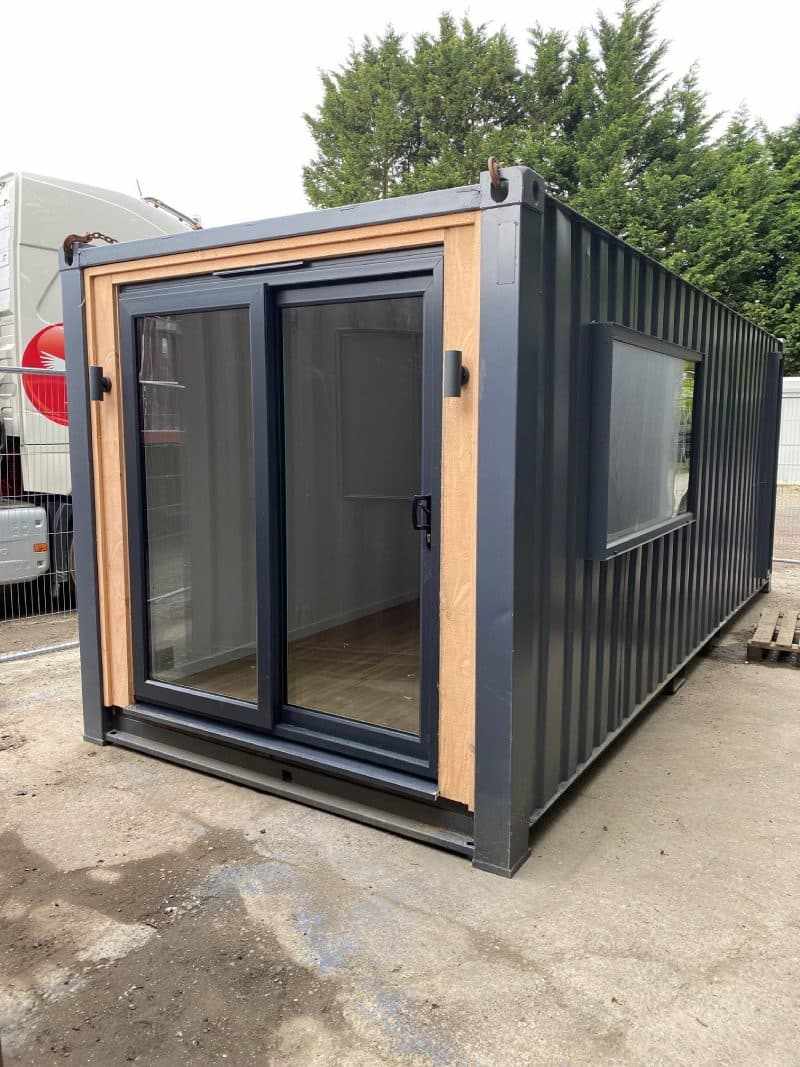
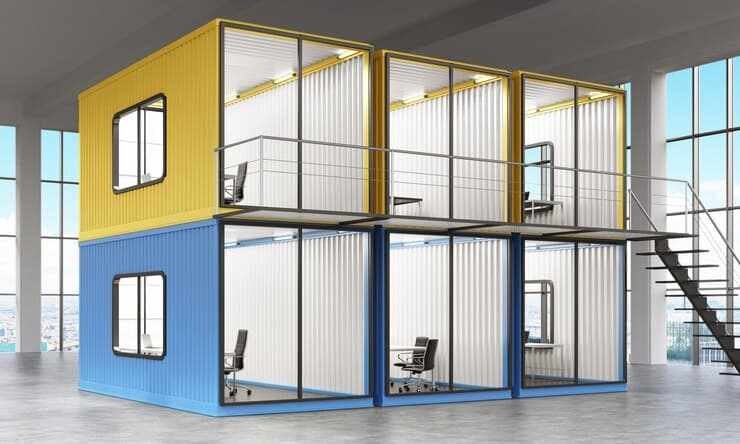
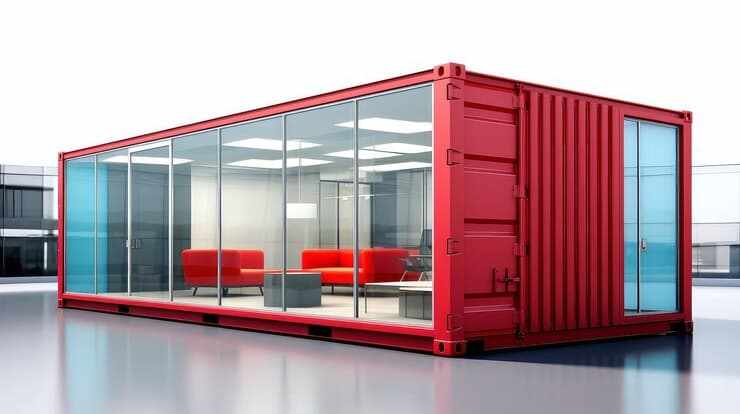
Modern portable cabins are far from basic or limited in design. They can be tailored to suit a wide range of functions, including offices, classrooms, medical units, accommodation, and storage facilities. Interior layouts, finishes, and utilities can be customized to align with the intended use.
This flexibility ensures that portable cabins can evolve alongside changing operational demands.
Applications Across Various Sectors
Commercial and Office Spaces
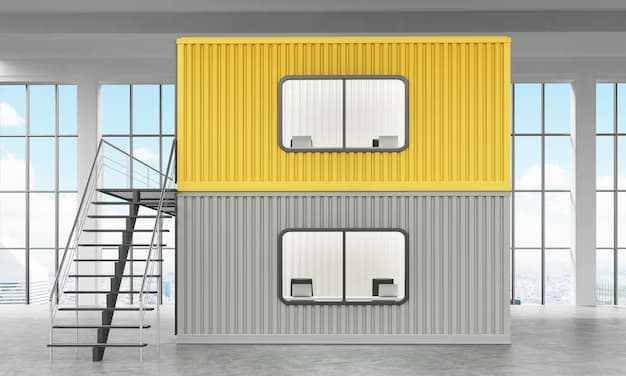
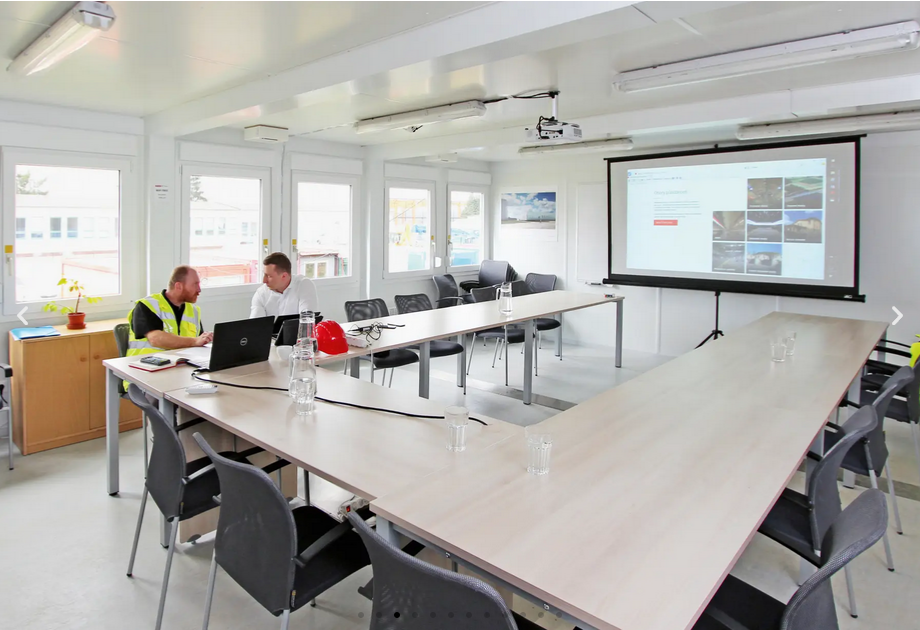
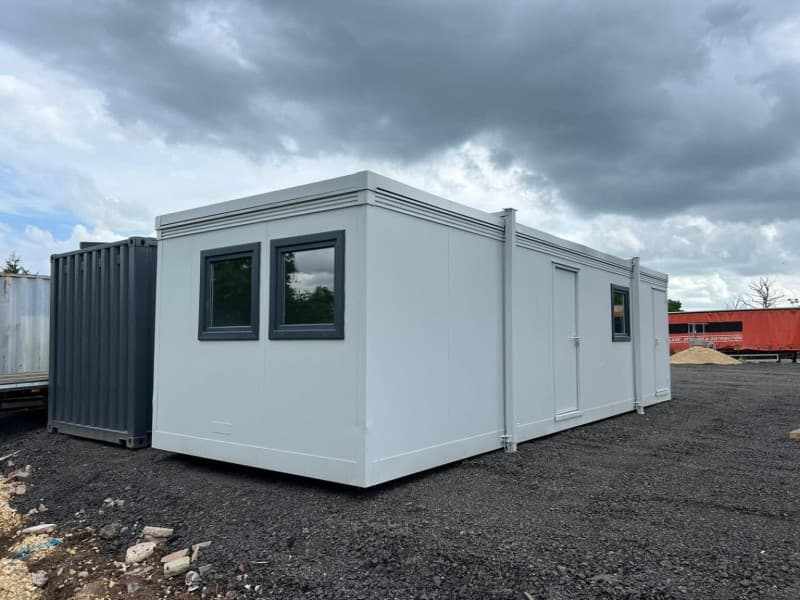
Businesses increasingly rely on portable cabins to create office environments that are both functional and professional. These cabins can serve as temporary offices during renovations or as permanent solutions for expanding teams. With proper design, they offer comfortable workspaces that support productivity and collaboration.
The ability to relocate office cabins also makes them ideal for project based operations and remote sites.
Educational and Training Facilities
Educational institutions often face fluctuating student numbers and space constraints. Portable cabins provide an effective way to add classrooms, laboratories, or administrative areas without disrupting existing facilities. Their quick installation ensures minimal impact on academic schedules.
These structures can be designed to meet educational standards, including appropriate lighting, ventilation, and acoustics.
Healthcare and Medical Use
In healthcare settings, portable cabins play a crucial role in expanding capacity and improving access to services. They can be used as clinics, testing centers, or patient consultation rooms. During emergencies or periods of high demand, portable cabins offer a fast and reliable way to increase healthcare infrastructure.
Their controlled manufacturing process also supports the inclusion of hygiene focused materials and layouts.
Industrial and Construction Sites
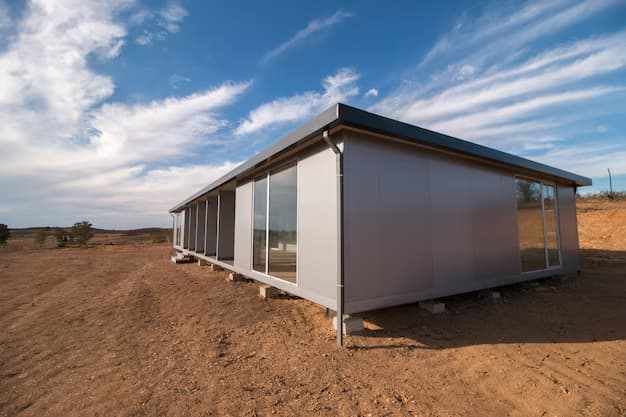
On industrial and construction sites, portable cabins are commonly used as site offices, staff accommodation, and welfare facilities. Their durability and ease of relocation make them suitable for challenging environments. As projects progress, the cabins can be repositioned or repurposed as needed.
This adaptability helps maintain efficient site operations throughout the project lifecycle.
Sustainability and Environmental Considerations
Reduced Environmental Impact
Portable cabins support sustainable building practices by minimizing waste and optimizing resource use. Factory based construction allows for precise material management, resulting in fewer offcuts and less landfill contribution. Additionally, reduced on site activity lowers noise pollution and environmental disturbance.
The shorter construction timeline also translates into lower energy consumption during the building phase.
Energy Efficiency and Insulation
Modern portable cabins can be equipped with energy efficient insulation, lighting, and climate control systems. These features help maintain comfortable indoor conditions while reducing energy usage. Over time, improved energy efficiency contributes to lower operating costs and a smaller carbon footprint.
Sustainable design options further enhance the environmental performance of portable cabins.
Quality and Durability of Portable Cabins
Strong Materials and Construction Standards
Portable cabins are built using robust materials designed to withstand transportation and repeated use. Steel frames, durable panels, and weather resistant finishes ensure longevity even in demanding conditions. Quality control in a factory environment allows for consistent adherence to safety and building standards.
As a result, portable cabins can offer reliable performance comparable to traditional structures.
Long Term Use and Maintenance
While often associated with temporary use, portable cabins are well suited for long term applications. With proper maintenance, they can remain functional and visually appealing for many years. Routine inspections and basic upkeep help preserve structural integrity and interior comfort.
This durability makes portable cabins a practical investment rather than a short term fix.
Design and Comfort Considerations
Interior Layout and Functionality
The interior design of portable cabins can be carefully planned to maximize space and usability. Thoughtful layouts ensure efficient movement and comfortable working or living conditions. Features such as windows, partitions, and storage solutions can be incorporated to enhance functionality.
Attention to interior details helps create environments that feel welcoming and professional.
Creating a Positive User Experience
Comfort is a key factor in the success of any building. Portable cabins can include heating, cooling, and ventilation systems to maintain a pleasant indoor climate. Natural light and sound insulation further contribute to a positive experience for occupants.
By prioritizing comfort, portable cabins can support well being and productivity across various applications.
Comparing Portable Cabins to Traditional Construction
Adaptability to Changing Needs
Traditional buildings often require significant alterations to accommodate new requirements. Portable cabins, on the other hand, can be modified or relocated with relative ease. This adaptability allows organizations to respond quickly to growth, downsizing, or operational changes.
The modular nature of portable cabins supports phased expansion without major disruption.
Risk Management and Predictability
Construction projects can be affected by weather delays, labor shortages, and unforeseen site issues. Portable cabins reduce many of these risks through controlled manufacturing and shorter installation times. This predictability makes planning and budgeting more reliable.
For decision makers, reduced uncertainty is a valuable advantage.
The Future of Portable Cabins
Innovation and Technological Advancements
As construction technology continues to evolve, portable cabins are benefiting from new materials and design techniques. Advances in insulation, smart building systems, and sustainable materials are enhancing performance and comfort. These innovations further narrow the gap between portable cabins and conventional buildings.
Ongoing development ensures that portable cabins remain a relevant and attractive option.
Growing Acceptance and Demand
The demand for flexible and efficient building solutions is expected to increase across industries. Portable cabins align well with this trend by offering speed, adaptability, and cost control. As awareness grows, more organizations are recognizing their potential as a long term solution rather than a temporary measure.
Conclusion
Portable cabins represent a smart and versatile alternative to conventional buildings, offering speed, cost efficiency, and adaptability without compromising on quality or comfort. Their wide range of applications across commercial, educational, healthcare, and industrial sectors highlights their growing importance in modern construction. With benefits such as reduced environmental impact, predictable project timelines, and long term durability, portable cabins continue to meet the evolving needs of organizations seeking flexible space solutions.
As demand for efficient and sustainable building options increases, portable cabins stand out as a forward thinking choice. Businesses looking to adopt these innovative structures can benefit from experienced solution providers such as Halletts Spaces, who specialize in delivering practical and well designed portable cabin solutions tailored to diverse requirements.


Write a comment ...