In modern construction and project management, efficiency and adaptability are essential. Site offices provide temporary but fully functional workspaces that support teams in managing projects, coordinating operations, and maintaining productivity. Portable site offices have become an indispensable solution for businesses that require flexible, cost-effective, and reliable office spaces on construction sites, event locations, or other temporary project areas. This article explores the benefits, applications, and design considerations of portable site offices, highlighting how they maximize utility for businesses.

Understanding Portable Site Offices
What Are Site Offices?
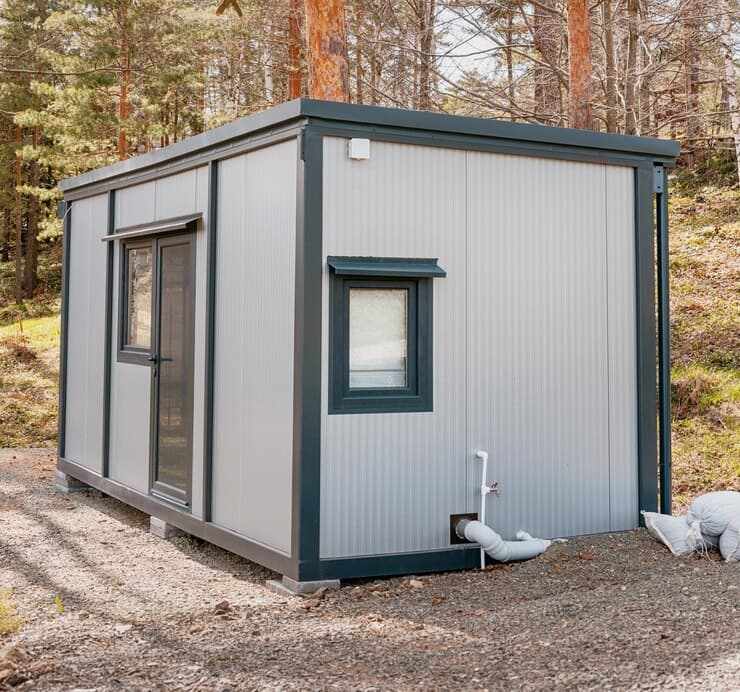
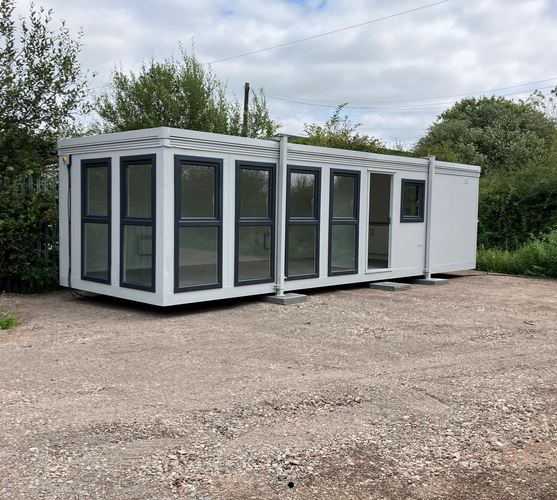
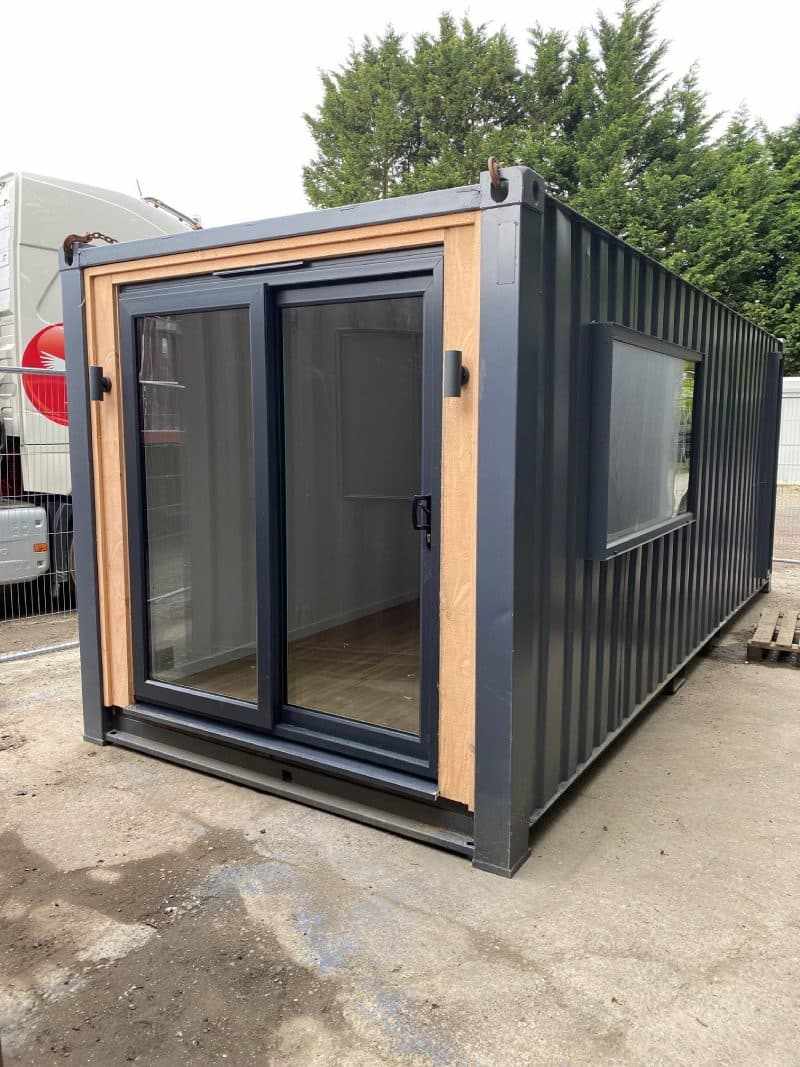
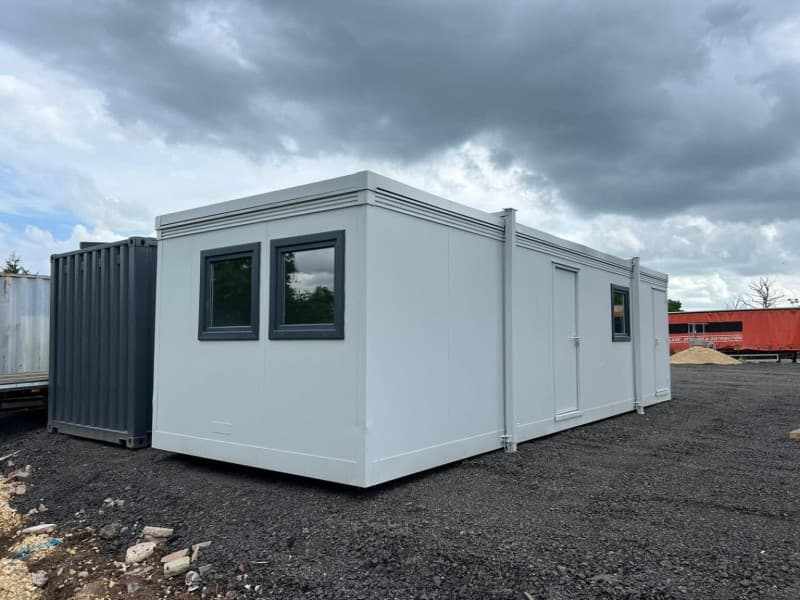
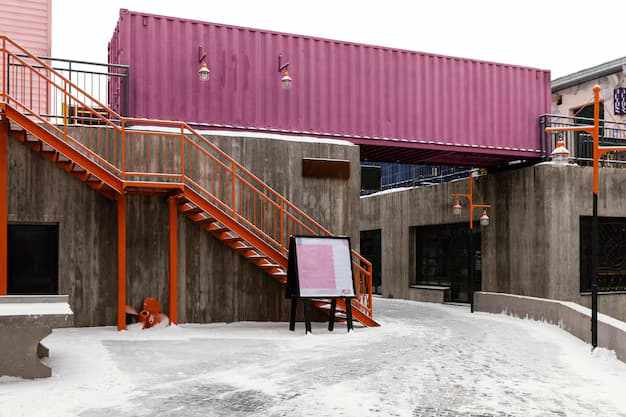
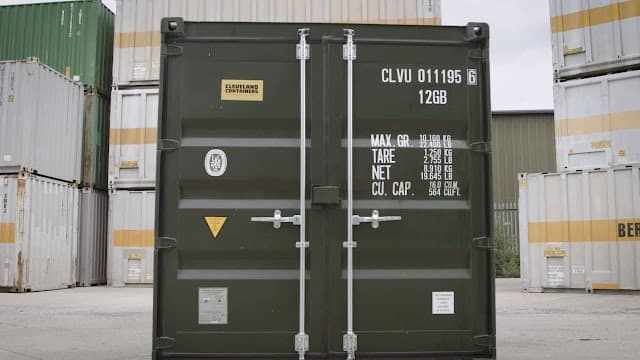
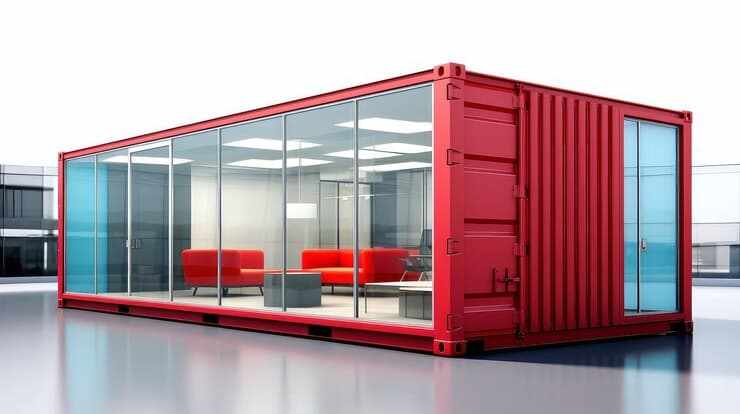
Site offices are temporary structures designed to function as administrative, operational, and coordination hubs at construction sites or project locations. They can be delivered as prefabricated units, modular buildings, or converted shipping containers. Equipped with essential office amenities, site offices offer a comfortable, safe, and productive environment for project managers, staff, and contractors.
Features of Modern Site Offices
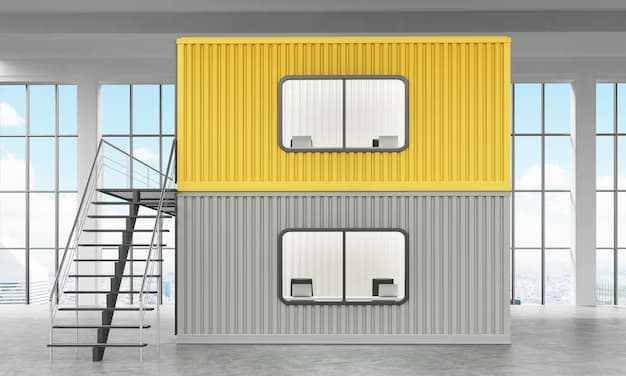
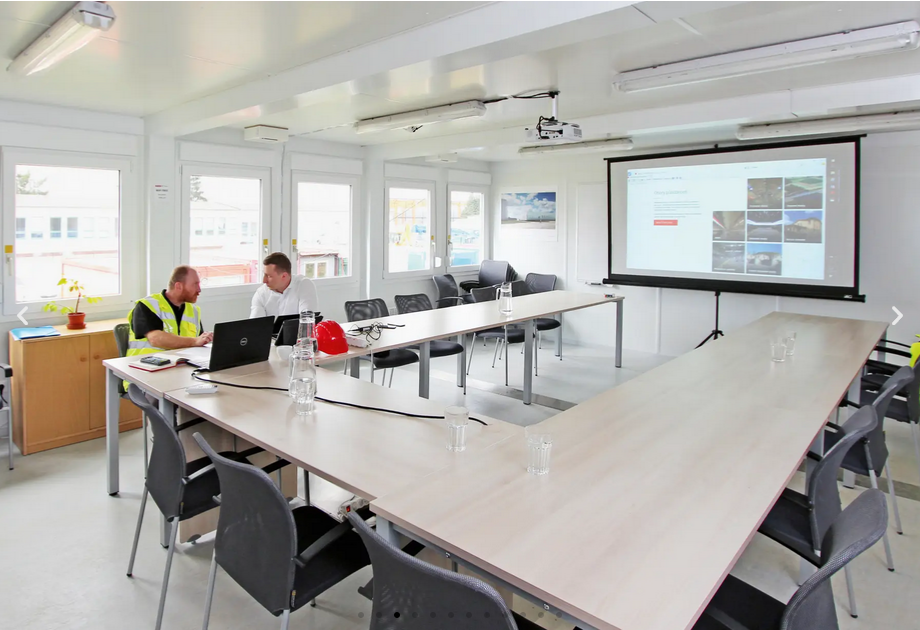
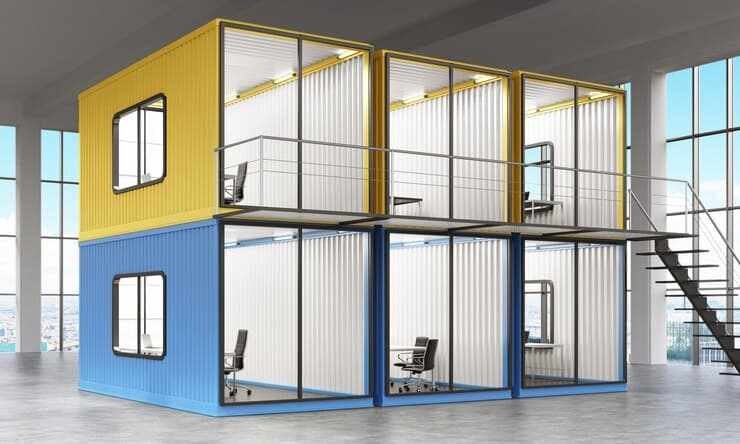
Modern portable site offices include insulated walls, electrical wiring, heating and cooling systems, secure storage, workstations, meeting areas, and communication facilities. Many units can be expanded, stacked, or connected to form larger complexes, providing scalable solutions tailored to the requirements of specific projects.
Benefits of Using Site Offices
Flexibility and Portability
One of the main advantages of site offices is flexibility. Units can be relocated as project sites change, allowing businesses to adapt to shifting operational needs. This portability ensures that office spaces are available wherever and whenever they are required, without the limitations of permanent buildings.
Cost-Effective Solutions
Portable site offices offer a cost-efficient alternative to constructing permanent office buildings. Reduced labor, prefabrication, and modular design minimize construction time and expense, making them an economical choice for temporary workspaces.
Rapid Deployment
Prefabricated and modular site offices can be delivered and installed quickly. Rapid deployment allows businesses to set up functional offices within days, ensuring smooth project initiation and continuous operational oversight.
Durable and Secure
Designed to withstand environmental challenges, portable site offices are constructed with robust materials, including steel frames, insulated panels, and weatherproof finishes. These features provide durability and security, protecting equipment, documents, and personnel in demanding environments.
Practical Applications of Site Offices
Construction Sites
Site offices are most commonly used on construction sites as management offices, staff rooms, meeting spaces, and storage areas. They provide a central hub for project coordination, document management, and team collaboration, supporting efficient site operations.
Temporary Projects and Events
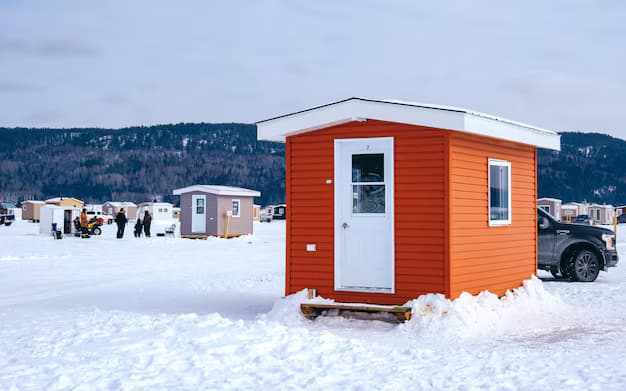
Organizations running short-term projects, such as festivals, exhibitions, or emergency relief efforts, can benefit from portable site offices. These units offer administrative support, security facilities, and staff accommodations without the need for permanent infrastructure.
Urban and Remote Locations
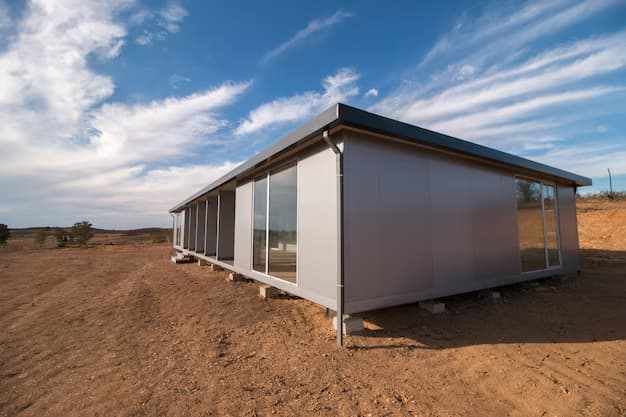
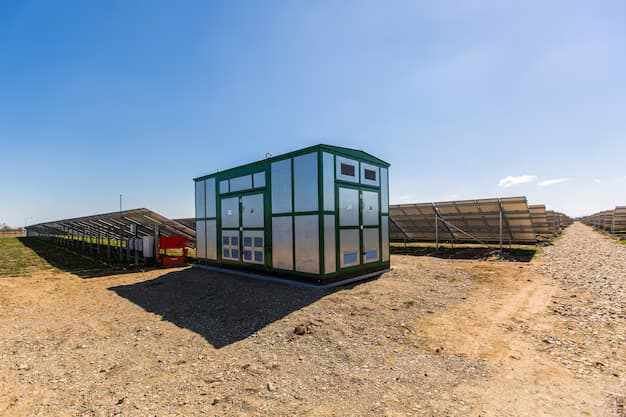
Site offices can be deployed in both urban and remote locations where permanent buildings may not be feasible. Modular and portable designs allow for installation in confined spaces or challenging terrain, ensuring that operational efficiency is maintained regardless of location.
Educational and Community Uses
Portable site offices can serve as temporary classrooms, training centers, or community coordination hubs. Their modularity allows for quick installation and reconfiguration to meet the evolving needs of educational or public service projects.
Designing Efficient Site Offices
Space Planning
Effective design begins with space optimization. Interior layouts should maximize usability, incorporating workstations, meeting areas, storage, and staff amenities. Open-plan layouts, partitioning, and multi-functional spaces enhance productivity and ensure a comfortable work environment.
Customization Options
Site offices can be tailored to specific project needs. Options include electrical and IT infrastructure, heating and cooling systems, ergonomic furniture, and safety features. Customization ensures that the office meets operational requirements and provides a professional environment for staff.
Technology Integration
Modern site offices can integrate advanced technologies, such as high-speed internet, video conferencing systems, security monitoring, and climate control. These enhancements support efficient communication, project management, and employee comfort, creating a productive workspace.
Durability and Maintenance
Robust Construction Materials
Portable site offices are constructed from durable materials designed to withstand heavy use and adverse weather conditions. Steel frames, reinforced panels, and quality finishes ensure long-term performance and structural integrity.
Low Maintenance Requirements
Prefabricated and modular design reduces maintenance needs. Routine inspections, cleaning, and minor repairs are generally sufficient to maintain functionality, allowing businesses to focus on core project activities rather than facility upkeep.
Sustainability Considerations
Environmentally Responsible Design
Portable site offices contribute to sustainable construction by minimizing waste, using recycled materials, and enabling reuse across multiple projects. Prefabrication reduces energy consumption and material use compared to traditional building methods.
Energy Efficiency
Modern site offices can include insulation, energy-efficient lighting, and HVAC systems, reducing operational energy costs. Sustainable features enhance environmental responsibility while maintaining comfort for staff.
Planning and Implementation
Site Preparation
Before installation, the site must be prepared by ensuring level ground, proper drainage, and access to utilities. A well-prepared site facilitates smooth installation and maximizes the lifespan and performance of the office.
Compliance and Safety
Site offices must comply with local building regulations, health and safety standards, and accessibility requirements. Ensuring compliance provides a secure and legally approved workspace for employees and visitors.
Logistics and Delivery
Transporting and positioning site offices requires careful planning. Modular design simplifies logistics, while proper coordination ensures timely delivery, assembly, and minimal disruption to ongoing operations.
Future of Portable Site Offices
As project demands evolve, site offices are becoming more advanced, adaptable, and sustainable. Innovations in modular design, energy efficiency, and technology integration allow businesses to establish functional workspaces in shorter timeframes while maintaining high standards of safety, comfort, and performance. Portable site offices are likely to remain a key solution for temporary and flexible workspace needs across industries.
Conclusion
Site offices offer businesses temporary yet highly functional workspaces that maximize operational efficiency. Their flexibility, rapid deployment, cost-effectiveness, and durability make them suitable for construction sites, temporary projects, urban locations, and community applications. With customizable layouts, integrated technology, and sustainable features, portable site offices provide reliable, practical, and professional solutions for modern business operations.
Halletts Spaces is dedicated to delivering high-quality portable site offices that combine flexibility, efficiency, and innovation, helping businesses create effective and adaptable workspaces for any project requirement.


Write a comment ...