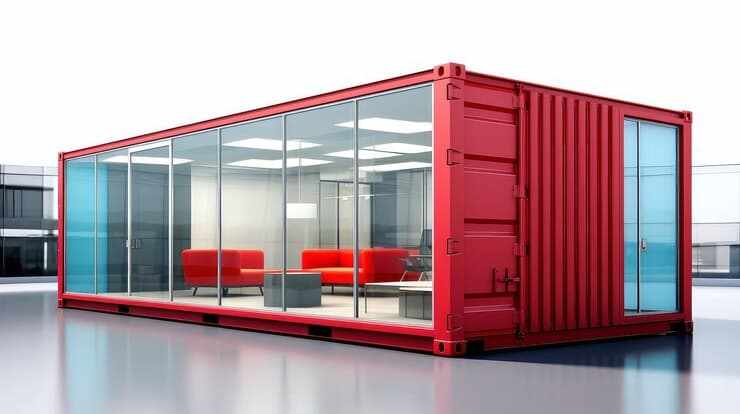
In today’s fast-paced business environment, many companies are looking for more flexible, efficient, and cost-effective ways to create functional workspaces. Portable office offer an ideal solution, providing businesses with the flexibility to work from various locations while maintaining comfort and productivity. Whether you’re using a portable office as a mobile workspace, a temporary solution, or a permanent fixture, designing it for both productivity and comfort is key to creating an environment that supports your business goals.

In this article, we explore various design ideas for portable offices that enhance productivity while ensuring comfort for employees. By incorporating thoughtful layouts, smart furniture, and design elements that promote well-being, businesses can create portable offices that meet the demands of the modern workplace.
1. Maximizing Space in a Compact Environment
Portable offices are typically smaller in size than traditional office buildings, which means every inch of space must be used efficiently. Space optimization is a top priority in portable office design, especially when working with limited square footage.
Open-Plan Layouts for Flexibility
An open-plan layout is a great way to maximize space in a portable office. This design eliminates unnecessary walls and partitions, creating a fluid, flexible environment that promotes communication and collaboration among team members. Open spaces also allow for the easy addition of modular elements, such as workstations or storage units, based on the evolving needs of the business.
Multi-Function Furniture
Furniture in a portable office should serve multiple purposes to save space. Choose desks and chairs that can be easily moved or adjusted depending on the number of people using the space. Foldable tables and stackable chairs are great options for maximizing space while providing flexibility. Additionally, wall-mounted shelves and cabinets can help free up valuable floor space by storing materials and supplies vertically.
Storage Solutions
Efficient storage solutions are essential in a portable office, especially when working in tight quarters. Incorporating built-in storage options such as cabinets under desks, overhead shelves, and filing systems helps keep the space organized and free from clutter. Smart storage design not only maximizes available space but also ensures that essential office supplies and documents are easily accessible when needed.
2. Comfortable and Ergonomic Workstations
Creating a comfortable work environment is crucial for productivity. Since portable offices are often used for extended periods, ergonomic furniture and thoughtful design elements can help reduce strain and fatigue for employees.
Ergonomic Furniture for Well-Being
Ergonomic desks and chairs should be a top priority when designing a portable office. Adjustable chairs with lumbar support can help prevent back pain, while standing desks allow for greater flexibility by offering employees the option to switch between sitting and standing throughout the day. Invest in furniture that supports good posture to enhance comfort and productivity during long hours of work.
Proper Lighting for Comfort
Lighting plays a critical role in creating a comfortable and productive environment. Natural light should be prioritized whenever possible, as it has been shown to improve mood and focus. Place desks near windows or opt for portable offices with large windows that let in ample sunlight. If natural light isn’t sufficient, choose energy-efficient LED lighting systems that can be dimmed or adjusted based on the time of day and the work being done.
Temperature Control for Comfort
Portable offices may not always be equipped with a built-in HVAC system, but it is essential to maintain a comfortable temperature in the workspace. Portable air conditioners, fans, or heaters can help regulate temperature, ensuring employees are comfortable. Additionally, ensuring the office is well-insulated will help maintain a consistent temperature and reduce the need for additional heating or cooling systems.
3. Designing for Collaboration and Focus
Whether working in teams or individually, the ability to switch between collaborative and quiet work is essential in a portable office. A successful design balances areas that encourage interaction with those that allow for focus and concentration.
Flexible Zones for Collaboration
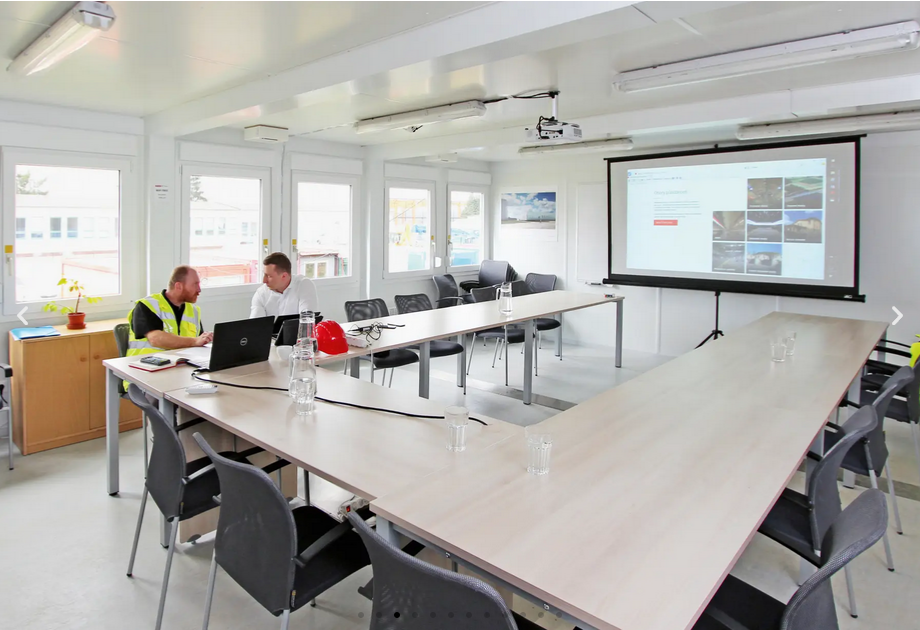
Creating separate zones for collaboration can help teams come together without disrupting those who need quiet space. For example, consider a central area with modular tables and seating that can be rearranged for brainstorming sessions or team meetings. Incorporating a whiteboard or bulletin board on one of the walls can further enhance collaboration, allowing employees to visualize ideas and track project progress.
Quiet Zones for Focused Work
While collaboration is important, employees also need spaces where they can focus and complete tasks without distractions. Designate areas with individual desks or partitions where employees can work in peace. If space allows, consider installing soundproof walls or acoustic panels to reduce noise levels and maintain privacy. Additionally, consider adding noise-canceling headphones or quiet areas with limited technological distractions for deep work.
4. Incorporating Technology to Streamline Work
Technology is a key component of any modern office design, and portable offices are no exception. Streamlining workflows with technology ensures that employees can stay connected, organized, and productive.
High-Speed Internet and Connectivity
Fast, reliable internet access is essential for any portable office. Ensure your portable office is equipped with a high-speed internet connection or Wi-Fi routers that support multiple users. The ability to stay connected to cloud-based tools and communicate with remote teams is vital for productivity. For added convenience, include charging stations or USB hubs near workstations to ensure devices can be charged without clutter.
Smart Office Features
Incorporating smart technology into a portable office design can help automate everyday tasks and make the workspace more efficient. Smart thermostats, lighting systems, and even automated blinds can adjust the environment based on preferences or the time of day. Motion sensors can be added to lighting to save energy when the office is not in use. Additionally, integrating virtual assistants or conference equipment allows for seamless communication, whether employees are working from the office or remotely.
5. Creating a Positive and Inviting Atmosphere
The atmosphere of a portable office plays a significant role in employee well-being and productivity. A positive, welcoming environment can enhance mood, improve collaboration, and increase overall satisfaction.
Use of Color and Design Elements
The use of color can have a significant impact on the mood and energy levels of a workspace. Soft, neutral colors such as light gray or beige can help create a calm and focused atmosphere, while pops of bright color like blue or green can inspire creativity and energy. Adding decorative elements such as artwork, plants, or motivational posters can also help personalize the space and create a positive work environment.
Natural Elements for Relaxation
Incorporating natural elements into a portable office can enhance the overall aesthetic and help reduce stress. Indoor plants, such as succulents or low-maintenance greenery, can purify the air and improve mood. If space permits, consider adding natural wooden furniture or features that create a warm, inviting atmosphere. Some studies suggest that bringing elements of nature into the workspace can enhance productivity and well-being.
Personalization for Employees
Allowing employees to personalize their workspace can foster a sense of ownership and increase job satisfaction. Providing shelves or space for personal items such as family photos, artwork, or inspirational quotes can make the portable office feel more comfortable and welcoming. Personalization helps employees feel more connected to the workspace, which can ultimately boost productivity and morale.
6. Sustainability in Portable Office Design
As sustainability becomes a more significant concern for businesses, incorporating eco-friendly features into portable office designs is becoming increasingly important.
Energy-Efficient Features
To reduce energy consumption, incorporate energy-efficient lighting, insulation, and appliances into the design of the portable office. Choose LED bulbs for lighting and consider using solar panels or other renewable energy sources to power the office. High-performance insulation will help keep the temperature stable and reduce the need for heating or cooling, further contributing to energy savings.
Recycled and Sustainable Materials
When choosing furniture and materials for the portable office, opt for sustainable, recyclable, or upcycled options. For example, choose desks made from reclaimed wood or eco-friendly fabrics for seating. Not only will this contribute to a greener workspace, but it will also reduce the office’s environmental impact.
Conclusion
Designing a portable office that promotes productivity and comfort is crucial for any business looking to make the most of its mobile workspace. By optimizing space, incorporating ergonomic furniture, adding technology, and creating a welcoming atmosphere, businesses can ensure that their portable office meets the needs of employees while fostering a positive work environment.
For businesses seeking advice on how to create a customized portable office, Halletts Spaces provides tailored solutions to help you design a functional and comfortable workspace that enhances productivity and well-being. By focusing on the right elements in your portable office design, you can create a flexible, efficient space that meets the demands of today’s modern workforce.


Write a comment ...