
In an era where flexibility, efficiency, and cost effectiveness are paramount, businesses are increasingly seeking alternatives to traditional office spaces. Portable cabins have emerged as a highly practical solution, offering adaptable workspaces that meet a wide range of organizational needs. Their versatility, durability, and ease of deployment make them a compelling choice for companies across various industries.
Portable cabins are prefabricated structures that can serve as offices, meeting rooms, classrooms, or operational hubs. They are designed to provide functional, comfortable, and professional environments while remaining flexible and cost effective.
Understanding Portable Cabins
What Are Portable Cabins
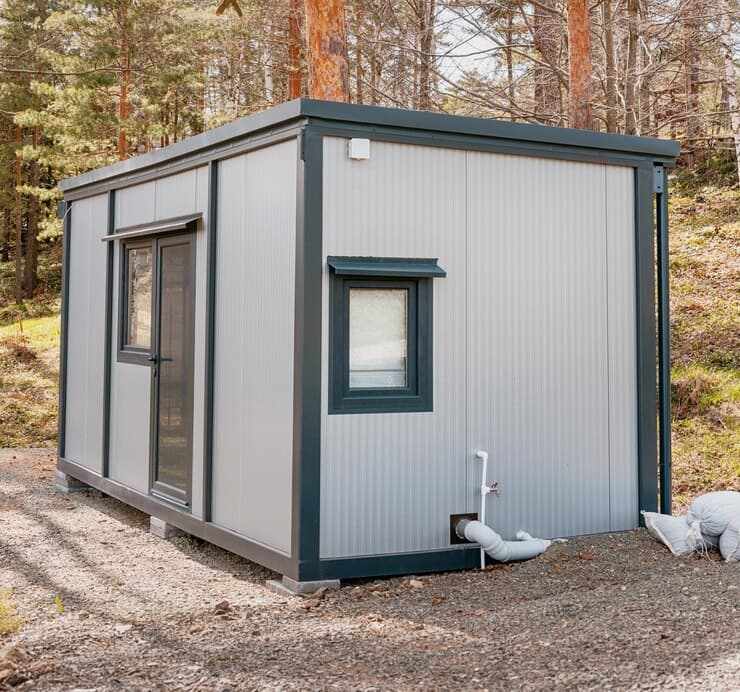
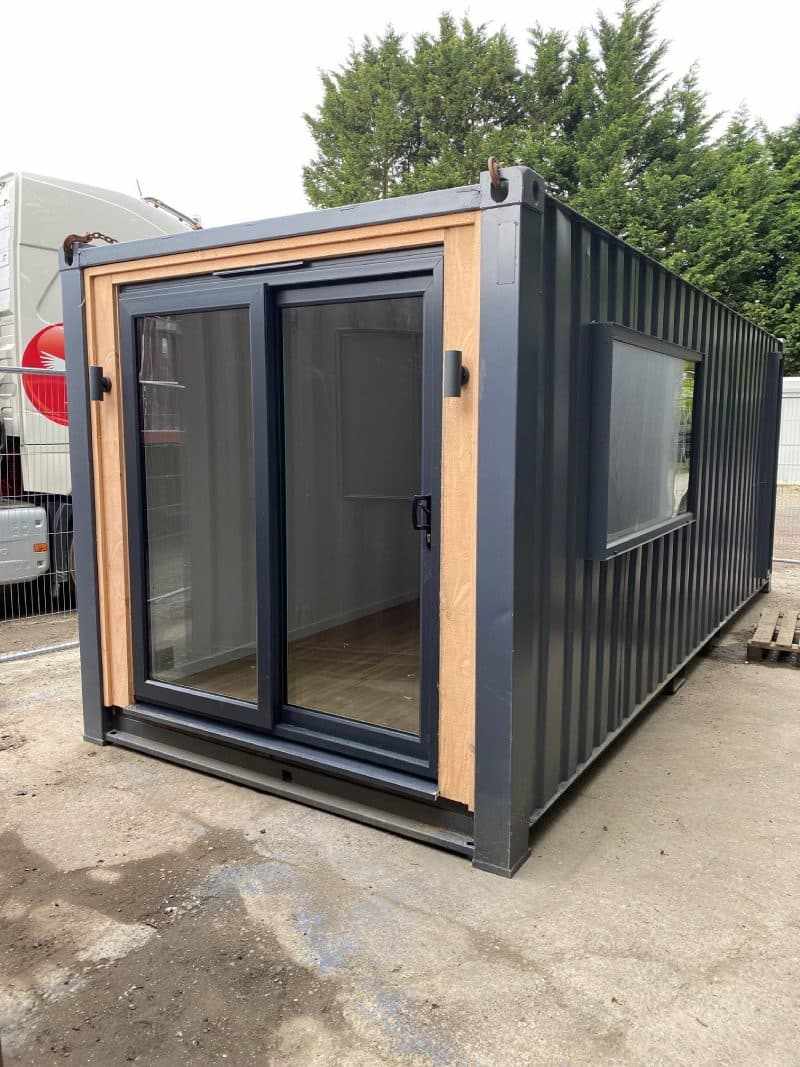
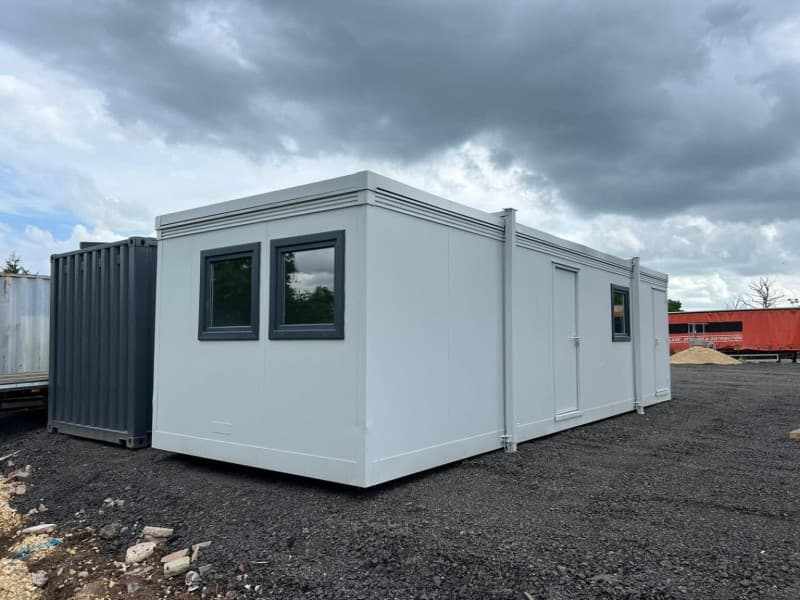
Portable cabins are self-contained, prefabricated units that can be transported and installed with minimal effort. They are constructed using durable materials such as steel, insulated panels, and weather-resistant finishes. These cabins are designed to withstand diverse environmental conditions while providing a safe and comfortable interior.
Modern portable cabins are equipped with essential features such as lighting, power outlets, ventilation, and climate control. Many designs also allow for interior customization, including workstations, partitions, storage, and meeting spaces.
Short-Term and Long-Term Applications
Portable cabins are suitable for both short-term and long-term use. Short-term applications include temporary project offices, on site management units, event facilities, or emergency response centers. Long-term applications may include permanent office spaces, classrooms, healthcare units, or administrative buildings. Their adaptability ensures that businesses can invest in a workspace that evolves with their requirements.
Key Advantages of Portable Cabins
Quick Deployment
One of the primary benefits of portable cabins is the speed at which they can be deployed. Unlike traditional construction, which may take months or years, portable cabins can be delivered and made operational within days or weeks. This rapid deployment is particularly valuable for businesses that need immediate workspace solutions.
Cost Effectiveness
Portable cabins often cost significantly less than constructing a traditional building. They require fewer materials, less labor, and can be reused multiple times. This makes them a financially responsible option for companies looking to minimize initial investment and ongoing operational costs.
Flexibility and Mobility
The mobility of portable cabins allows them to be relocated or repurposed with minimal disruption. This is especially useful for businesses operating in multiple locations, construction projects, or temporary events. The ability to move and adapt the workspace ensures that businesses can respond quickly to changing circumstances.
Design Flexibility and Customization
Modular Configurations
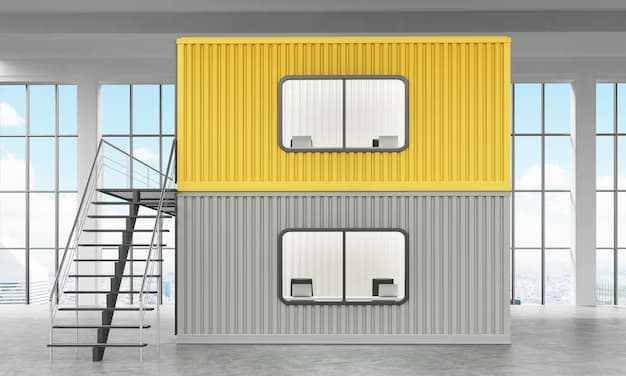
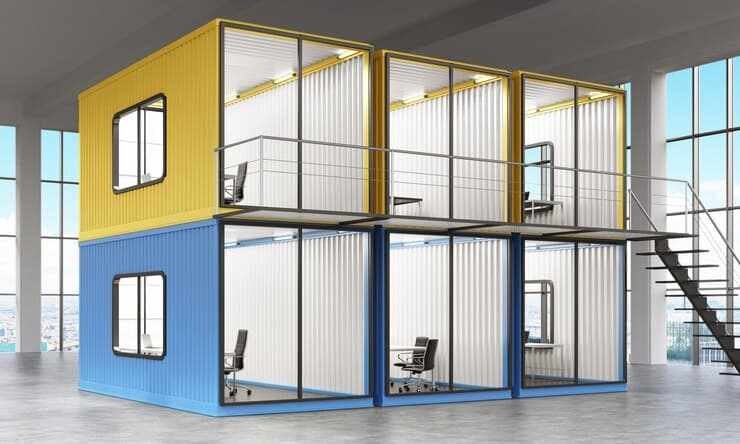
Portable cabins are modular by nature, allowing businesses to expand or reconfigure their workspace as needed. Units can be arranged side by side or stacked to create multi-level structures. This modularity enables organizations to scale their workspace efficiently without major structural changes.
Interior Customization
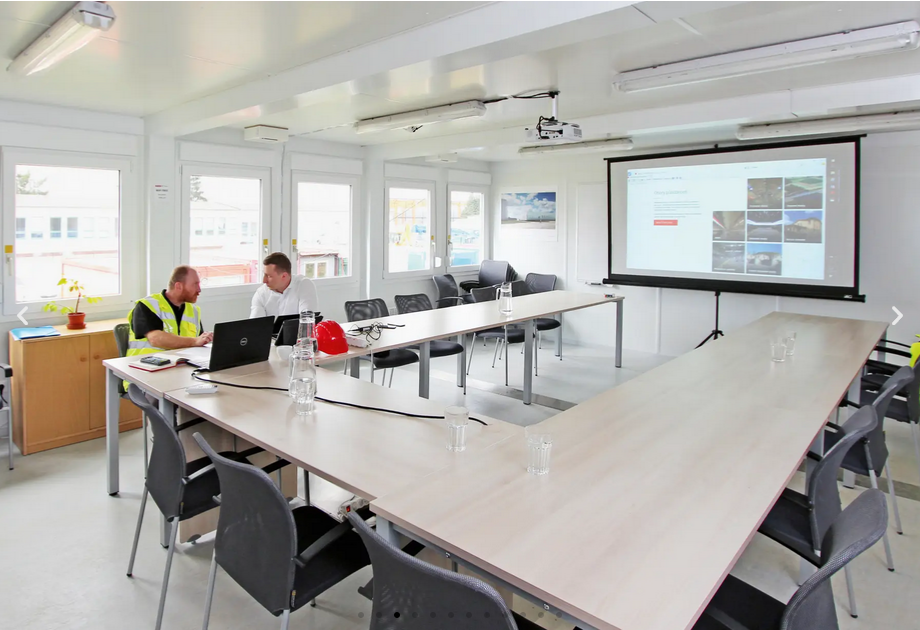
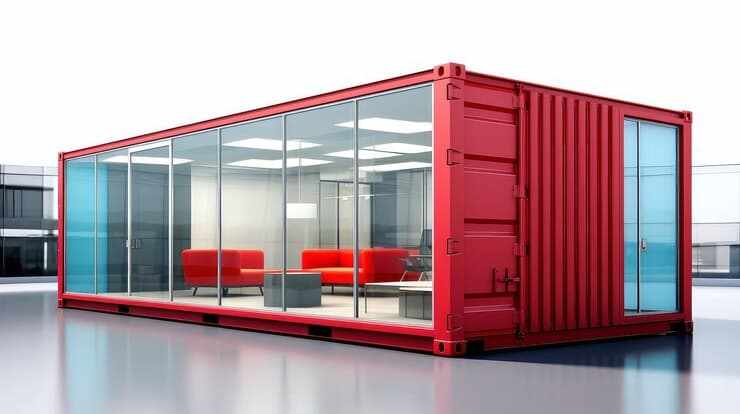
The interior of portable cabins can be tailored to meet specific operational needs. Open plan layouts, private offices, meeting rooms, and storage spaces can all be incorporated. Furniture, partitions, and finishes can be chosen to create a comfortable and productive environment that aligns with the organization’s workflow.
Exterior Customization
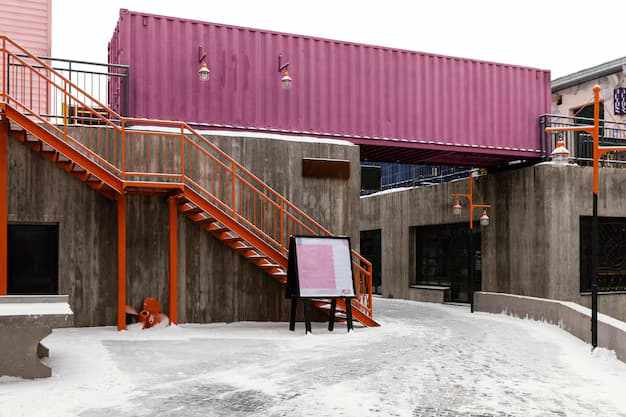
Exterior options such as cladding, paint, and signage can be customized to blend seamlessly with surrounding structures or project a professional image. This ensures that portable cabins not only serve functional purposes but also maintain a visually appealing presence.
Applications of Portable Cabins
On Site Offices
Construction sites and industrial projects often require on site offices for management and administrative tasks. Portable cabins provide functional and durable spaces that can be positioned close to operational areas, improving efficiency and communication.
Temporary and Project-Based Workspaces
For short-term projects or temporary events, portable cabins offer a practical solution. They can serve as offices, ticketing booths, information centers, or coordination hubs and can be relocated or dismantled once the project is complete.
Remote and Challenging Locations
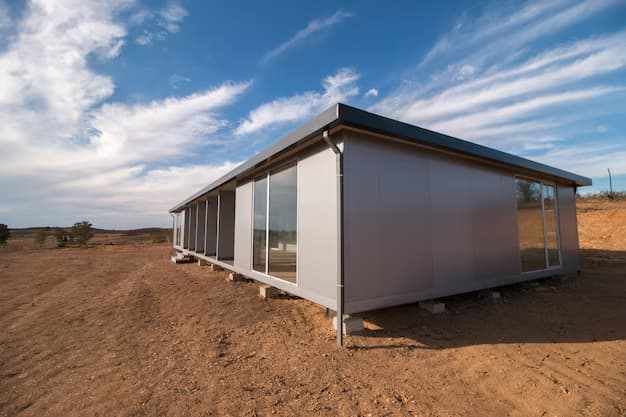
In remote or hard-to-reach areas, traditional construction may be impractical or expensive. Portable cabins can be transported to these locations and installed quickly, providing safe and comfortable workspaces even in challenging environments.
Educational and Healthcare Facilities
Schools, training centers, and healthcare providers often use portable cabins to expand capacity or provide temporary facilities. They can serve as classrooms, administrative offices, clinics, or testing centers, providing functional spaces without long-term construction commitments.
Supporting Employee Comfort and Productivity
Climate Control and Insulation
Comfortable working conditions are essential for productivity. Portable cabins are equipped with insulation and climate control systems to maintain a stable temperature and reduce noise. This creates a conducive environment for employees and ensures efficient operations.
Natural Light and Ventilation
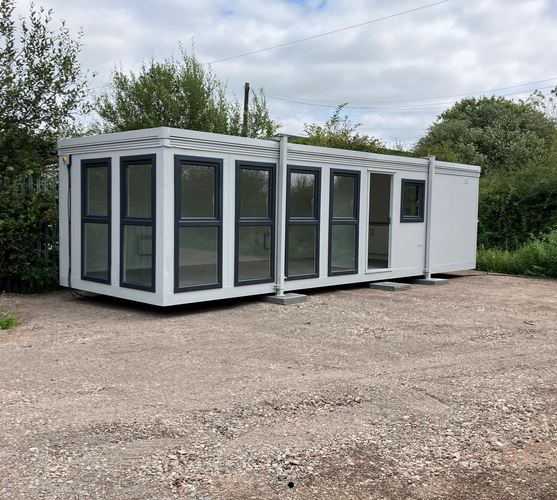
Large windows and ventilation systems can be incorporated to enhance interior lighting and air quality. Natural light has been shown to improve mood and focus, while proper ventilation ensures a healthy and comfortable workspace.
Ergonomic and Functional Design
Portable cabins can be designed to accommodate ergonomic furniture and layouts that promote productivity and wellbeing. Efficient use of space and functional design features support employee comfort and operational effectiveness.
Sustainability and Environmental Considerations
Reusability and Longevity
Portable cabins are a sustainable alternative to traditional construction. They can be relocated, repurposed, or expanded, reducing the need for new building materials and minimizing waste. Reusability extends the lifecycle of the unit and supports environmentally responsible practices.
Energy Efficiency
Modern portable cabins can incorporate energy efficient lighting, heating, and insulation systems. These features help reduce operational costs while minimizing environmental impact, contributing to sustainability objectives.
Minimal Construction Waste
Prefabrication in controlled environments allows for precise construction and reduced material waste. Compared to conventional builds, portable cabins generate less on-site debris and help maintain cleaner, safer project sites.
Long-Term Value and Adaptability
Durable Construction
Portable cabins are built to withstand heavy use and various environmental conditions. With proper maintenance, they can provide long-term, reliable workspace solutions comparable to traditional buildings.
Adaptable for Evolving Needs
As business requirements change, portable cabins can be modified, expanded, or relocated. This adaptability ensures that the initial investment continues to deliver value over time, making them a practical and future-ready solution.
Conclusion
Portable cabins offer a practical, cost-effective, and flexible workspace solution for modern businesses. Their rapid deployment, adaptability, and customization capabilities make them suitable for a wide range of applications, from temporary project offices to permanent administrative spaces. Additionally, portable cabins support employee comfort, sustainability, and long-term value, making them a smart choice for organizations seeking efficient and versatile work environments.
For businesses looking to invest in high-quality portable cabins tailored to their operational needs, Halletts Spaces provides expertise and solutions that combine durability, functionality, and adaptability to create practical workspaces designed for modern business challenges.


Write a comment ...