
In a rapidly evolving work landscape, the concept of remote work has gained unprecedented traction. With the advent of technology and shifting attitudes towards work-life balance, organizations are now exploring innovative solutions to accommodate their workforce. One such solution that has emerged prominently is the use of office container. These versatile and adaptable structures are increasingly being recognized as the ideal choice for remote work sites, offering a plethora of benefits that address the unique challenges of modern work environments.
The Flexibility of Office Containers
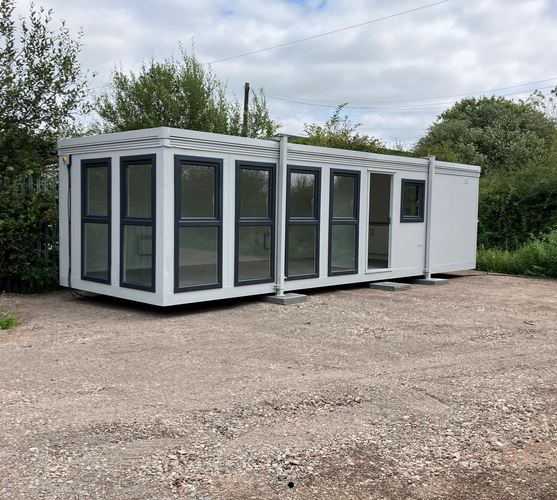
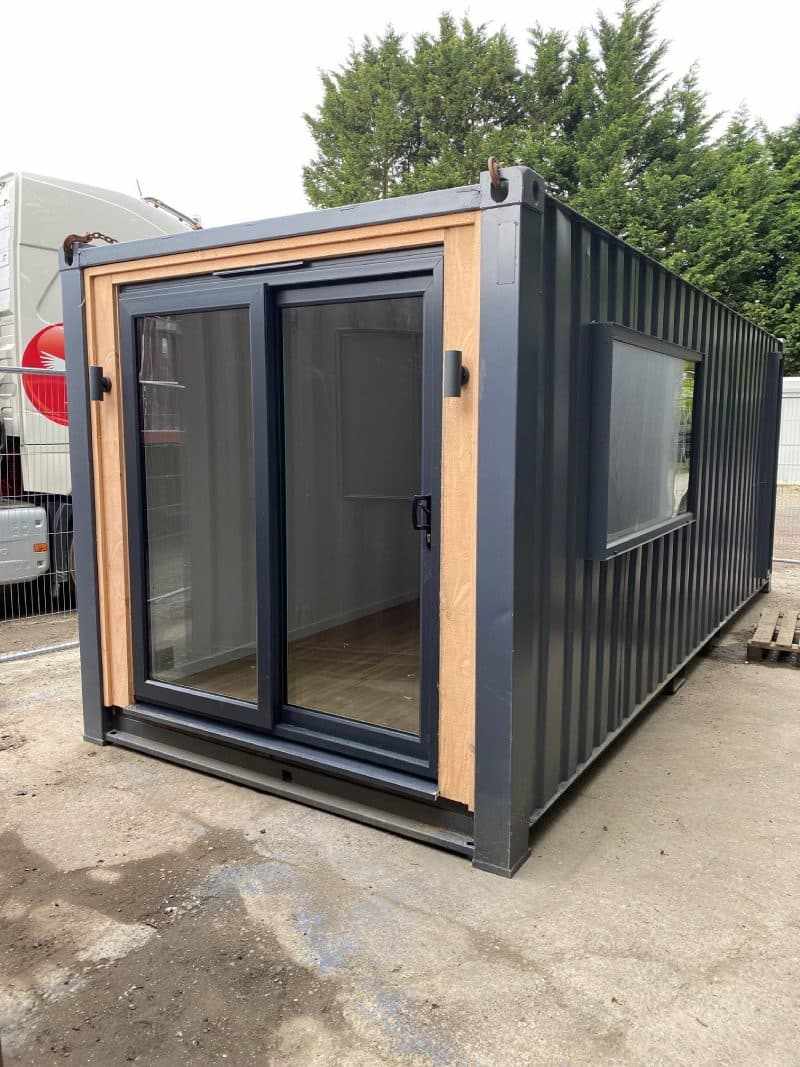
Office containers epitomize flexibility, a critical factor in today's dynamic work environment. Unlike traditional office spaces, which often require lengthy leases and substantial upfront investments, office containers can be deployed rapidly and with minimal fuss. This agility makes them perfect for remote work sites, where the need for a temporary or adaptable workspace is paramount.
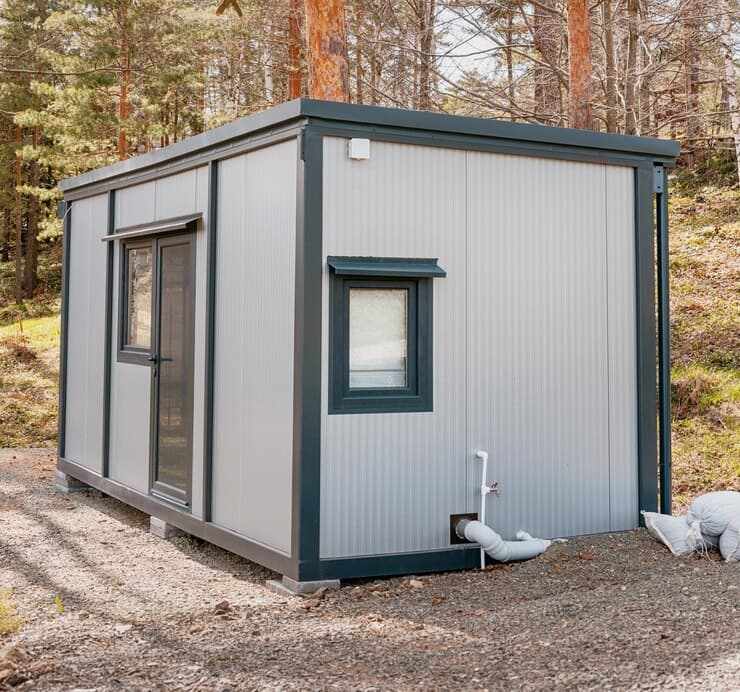
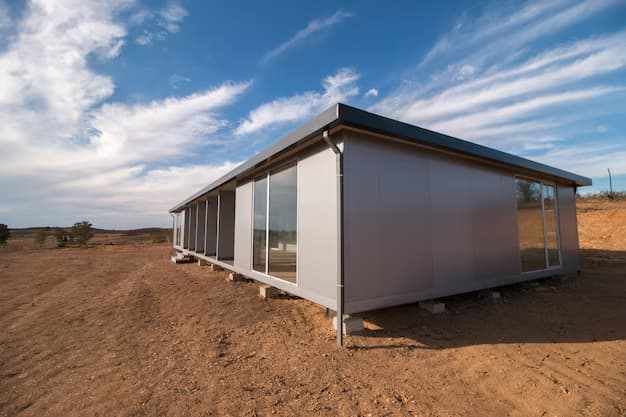
Imagine a construction site that requires a fully functional office for project managers and architects. Instead of going through the tedious process of building a conventional office, a company can simply place an office container on-site, equipped with necessary amenities like internet connectivity, electricity, and even air conditioning. This allows teams to work efficiently without the prolonged downtime associated with traditional office setups. Furthermore, office containers can be easily relocated as project needs change, enhancing their utility in various contexts.
Cost-Effectiveness of Office Containers
When organizations consider remote work solutions, cost is often a primary concern. The financial implications of setting up a conventional office can be daunting, especially for short-term projects. Office containers offer a cost-effective alternative, providing all the essential features of a workplace at a fraction of the cost.
The initial investment in a container office is significantly lower than that of a traditional building. Moreover, these containers typically require less maintenance, resulting in lower long-term operational costs. For instance, organizations can save on utilities and maintenance fees by opting for energy-efficient container designs, which often incorporate insulation and solar panel options. This not only reduces expenses but also aligns with environmentally sustainable practices, appealing to companies focused on corporate social responsibility.
Customization and Functionality
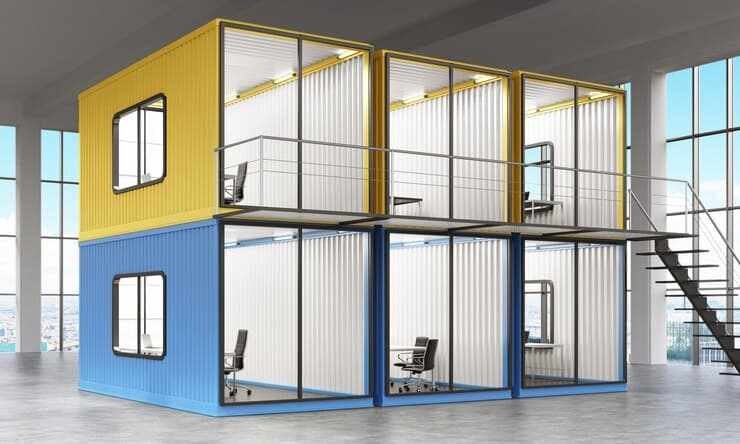
Another compelling reason to consider office containers for remote work sites is their remarkable customization potential. Unlike fixed office spaces, container offices can be tailored to meet specific needs, ensuring that the workspace is conducive to the tasks at hand. Whether it's the layout, interior design, or amenities, organizations can create an environment that fosters productivity and collaboration.
For example, a company focused on creative projects may choose to design its container office with collaborative spaces, brainstorming areas, and modern technology setups. On the other hand, a firm requiring a more traditional approach can configure the office with individual workstations, meeting rooms, and quiet zones. This level of customization not only enhances employee satisfaction but also promotes a culture of innovation and efficiency, allowing teams to perform at their best regardless of their location.
Sustainability and Environmental Impact
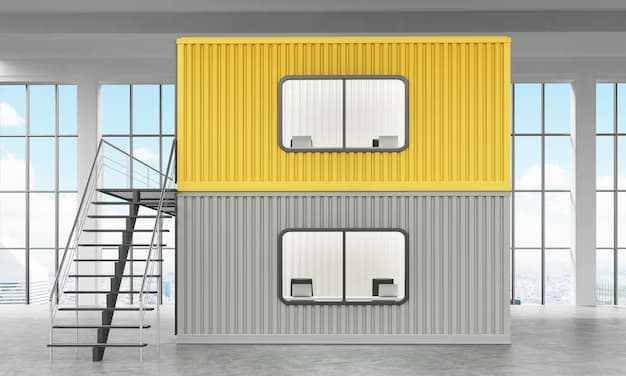
In an age where sustainability is at the forefront of business practices, the use of office containers aligns perfectly with eco-friendly values. These structures are often made from repurposed shipping containers, significantly reducing the environmental impact associated with new construction. By choosing office containers, organizations can contribute to waste reduction and promote a circular economy.
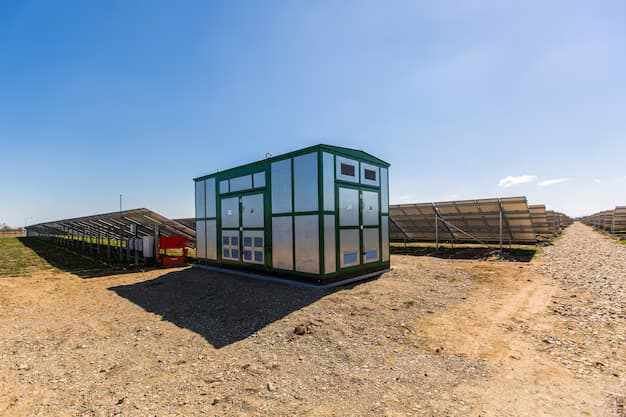
Moreover, many modern office containers are designed with sustainability in mind. Features such as solar panels, water-efficient fixtures, and energy-efficient heating and cooling systems are increasingly common. This not only reduces the carbon footprint of the workspace but also lowers operational costs, making it a win-win for both the environment and the bottom line. As businesses increasingly strive for sustainability, the adoption of office containers serves as a tangible commitment to environmental stewardship.
Enhanced Security and Safety
Safety and security are paramount considerations, especially for remote work sites that may involve sensitive information or valuable equipment. Office containers provide a robust solution in this regard. Constructed from durable steel, these containers are inherently secure and resistant to vandalism or theft.
In addition, many office containers can be equipped with advanced security features, such as surveillance cameras, reinforced locks, and alarm systems, providing an added layer of protection. This is particularly beneficial for remote locations where security personnel may not be readily available. The peace of mind that comes with knowing that the workspace is secure allows employees to focus on their tasks without unnecessary distractions or concerns.
Mobility and Adaptability
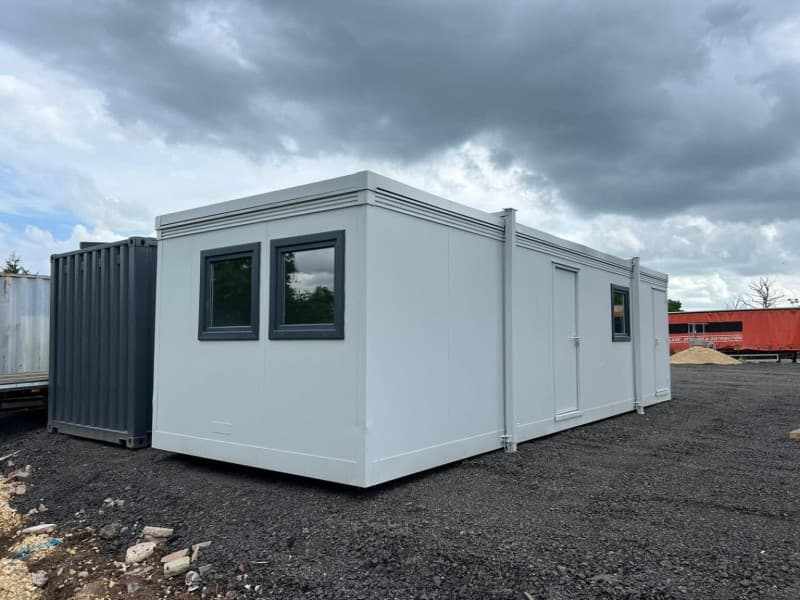
One of the standout features of office containers is their inherent mobility. As project requirements evolve, so too can the location of the office. This adaptability is especially advantageous in industries such as construction, oil and gas, or events management, where work sites frequently change.
An office container can be easily transported from one site to another, allowing teams to maintain a consistent work environment, regardless of location. This mobility is not only beneficial for logistical reasons but also fosters a sense of continuity among employees. They can establish routines and workflows that remain uninterrupted, even as they move from site to site. This consistency can enhance productivity and contribute to overall job satisfaction.
Creating a Collaborative Environment
While remote work often conjures images of solitary individuals working from home, the reality is that collaboration remains a key aspect of productivity. Office containers can be designed to promote teamwork and communication, bridging the gap between remote work and collaborative efforts.
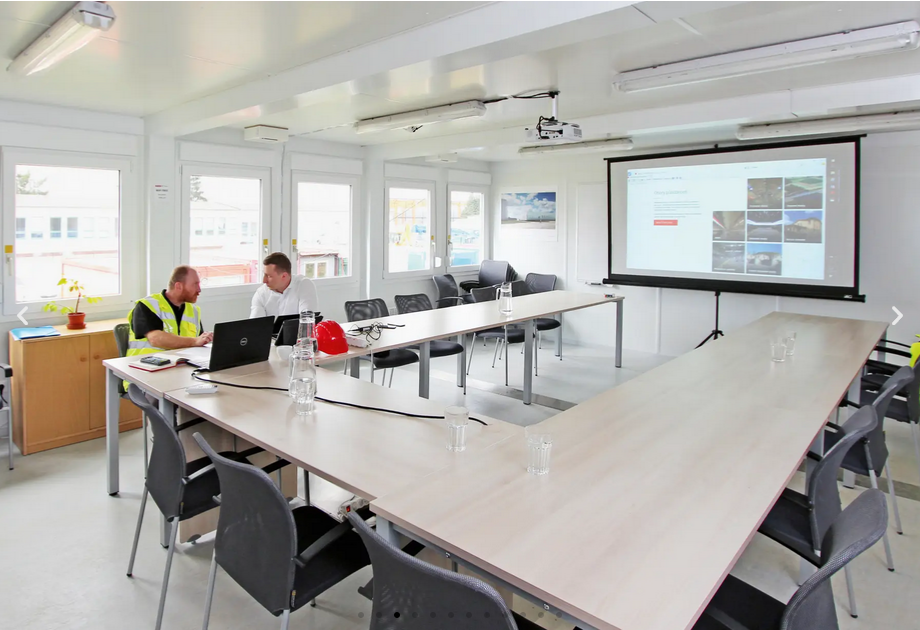
Container offices can incorporate open layouts, communal spaces, and meeting areas that encourage interaction among team members. Technology can also be integrated seamlessly, allowing for virtual meetings and collaborations with off-site colleagues. By creating a space that fosters collaboration, organizations can leverage the benefits of remote work while maintaining strong connections among team members, ultimately leading to better outcomes and innovation.
Conclusion
In summary, office containers present a compelling solution for remote work sites, offering remarkable flexibility, cost-effectiveness, and sustainability. Their ability to be customized, securely maintained, and easily relocated makes them an ideal choice for organizations looking to adapt to the demands of modern work environments. As businesses continue to navigate the evolving landscape of remote work, the adoption of office containers stands out as a forward-thinking approach that addresses both practical and strategic needs.
For those looking to explore the possibilities of office containers for their remote work sites, partnering with experts in the field is essential. Halletts Spaces Ltd is dedicated to providing tailored solutions that meet the unique requirements of your organization. Discover how office containers can enhance your work experience today!



Write a comment ...